
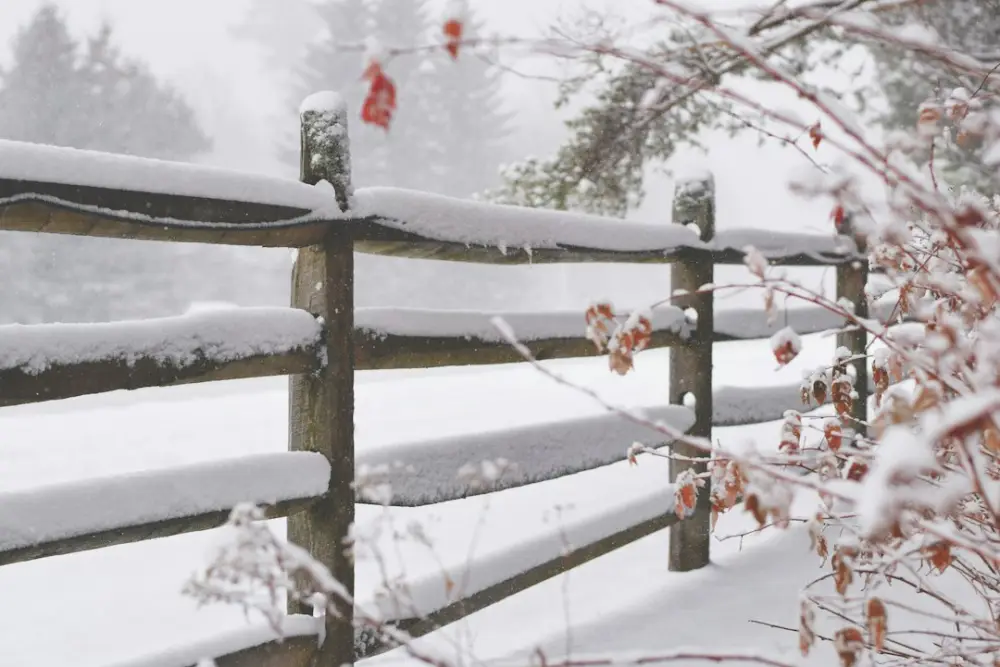
Preparing for changing winter conditions involves anticipating shifts in temperature, precipitation, and visibility to ensure safety and property protection. This process includes monitoring meteorological forecasts, weatherproofing homes and vehicles, and maintaining emergency supplies. By managing risks proactively, individuals can navigate the transition from mild autumn weather to severe ice and snow safely throughout 2026.
While the Mediterranean climate is generally mild, the transition into the late-year months brings a specific set of challenges for those staying near the coast. The combination of high humidity and sudden drops in temperature requires a practical approach to daily planning. Understanding these shifts ensures that your time spent exploring the city remains comfortable and uninterrupted by the elements.
How Winter Weather Preparation Works
Winter preparation functions by creating layers of protection between yourself and the fluctuating environment. In a coastal city like Naples, this transition isn't always about extreme sub-zero temperatures; rather, it is about managing the damp cold and the wind chill coming off the water. Effective preparation begins with understanding the thermal behavior of local architecture and the specific patterns of the Bay.
For example, stone-built apartments and historic villas have high thermal mass, meaning they stay cool long after the sun has set. Preparation involves mechanical checks of heating systems—locally known as the caldaia—well before the first cold snap in November. Because naples is the ultimate mediterranean winter destination, many visitors underestimate the need for indoor climate control, assuming the outdoor sun will provide enough warmth.
Monitoring Forecasts and Early Warning Signs
Staying informed is the foundation of seasonal safety. In 2026, meteorological data is more granular than ever, allowing residents to track specific wind patterns like the Tramontana, which brings dry, cold air from the north. Monitoring these shifts allows for timely adjustments to travel itineraries and home settings.
To monitor conditions effectively, follow these steps:
- Check local maritime forecasts if you plan on taking ferries or coastal walks, as sea states change rapidly.
- Watch for a sudden drop in barometric pressure, which often precedes the heavy rainstorms common in late November.
- Use high-resolution satellite apps to track cloud cover moving across the Tyrrhenian Sea.
- Observe local maritime flags and harbor signals, which provide immediate visual cues for wind strength.
A practical example of using forecasts is adjusting your visit to the historic center based on predicted rainfall. Narrow streets can become slick, so knowing the timing of a storm allows you to prioritize indoor museum visits or covered shopping galleries during peak precipitation.
Practical Steps for Home Weatherization
Home weatherization in a coastal environment focuses heavily on moisture control and draft exclusion. Even in a boutique stay or a rented apartment, small adjustments can significantly impact comfort levels. Inspecting the seals around windows and doors is the first step in preventing the humid sea air from chilling the interior.
Consider the use of heavy drapes or thermal curtains, which act as an insulating barrier against large glass panes. If you are managing a property, ensure that gutters and drainage systems are cleared of autumn debris. A blocked drain during a Mediterranean downpour can lead to localized flooding or water ingress in ground-floor entryways. Using a simple dehumidifier can also help maintain a stable indoor temperature by removing the moisture that makes the air feel colder than it actually is.
Winterizing Your Vehicle for Safe Travel
Driving conditions change as the year draws to a close, particularly on the winding coastal roads leading toward Sorrento or the Amalfi Coast. Lower temperatures affect tire pressure and battery efficiency, even if snow is rare at sea level. Ensuring your vehicle is ready for the 2026 winter season involves a few specific mechanical checks.
Check your tire tread depth and pressure frequently. Cold air causes tires to lose pressure, which can compromise grip on wet, cobblestone streets. Ensure your windshield wiper blades are in top condition; the salt spray from the Bay can leave a film on the glass that requires high-quality washer fluid to clear. When getting around naples during winter stays: it is also wise to keep a small emergency kit in the trunk, including a reflective vest and a flashlight, as daylight hours are significantly shorter during the winter months.
Essential Supplies for Changing Conditions
Maintaining a kit of essential supplies allows for flexibility when weather patterns shift unexpectedly. This is not just about survival, but about maintaining comfort during seasonal festivities. Your inventory should account for both the damp outdoors and the potentially brisk indoors of older buildings.
- Breathable Layers: Wool or synthetic blends that wick moisture are better than heavy cotton.
- Waterproof Footwear: Shoes with non-slip soles are essential for navigating wet basalt paving stones (sanpietrini).
- Portable Power: Cold weather can drain smartphone batteries faster, which is critical for navigation.
- High-Quality Umbrellas: Wind-resistant models are necessary to withstand the gusts frequently felt along the Lungomare.
An example of a well-prepared visitor is one who carries a compact, waterproof shell in their daypack. This allows them to continue exploring the outdoor markets even if a light drizzle begins, without needing to return to their accommodation to change.
Professional Risk Management and Knowledge Centers
For those managing larger groups or properties, professional risk management involves staying connected with municipal authorities. The Italian Civil Protection (Protezione Civile) provides color-coded alerts that indicate the severity of weather risks. Understanding these codes—from yellow to red—is vital for making informed decisions about outdoor events or travel.
Local knowledge centers, including port authorities and tourist information offices, provide real-time updates on transport disruptions. If a significant storm is forecasted, these entities will announce changes to hydrofoil schedules or train services. By checking these official sources rather than relying on general news outlets, you get the most accurate data for the immediate region. This proactive approach minimizes the risk of being stranded or caught in inclement weather during a day trip.
Safe Holiday Planning at Naples Winter Christmas
Planning a seasonal escape requires a balance of excitement and pragmatism. When the Bay is at its calmest, it offers some of the most beautiful views of the year, but those views are best enjoyed when you are physically prepared for the cool air. By focusing on the practicalities of weatherization and monitoring, you ensure that your holiday remains a pleasant experience rather than a struggle against the elements.
At Naples Winter Christmas, we emphasize the importance of these small preparations to enhance your seasonal city experience. Whether you are browsing the stalls for handmade nativity figures or taking a brisk walk along the coast, being ready for changing conditions allows you to focus on the food, the culture, and the atmosphere. Taking the time to winterize your plans ensures that your 2026 holiday is defined by the warmth of the city's hospitality rather than the chill of the winter wind.